
It has been a hectic few weeks at the legislature as we try to get our bills through the committee process. All non-financial bills must be heard in committee by the March 22 Committee Deadline, so we have been working overtime to get them through! Here are just a few of the issues I have been working on.
Standing Up for Our Immigrant Neighbors
On March 5th, Representative Sandra Feist and I co-authored an opinion piece addressing misconceptions and criticisms of the North Star Alliance Act. Give it a read to see how we addressed these concerns.
Continuing Support for Ride-Share Drivers Statewide
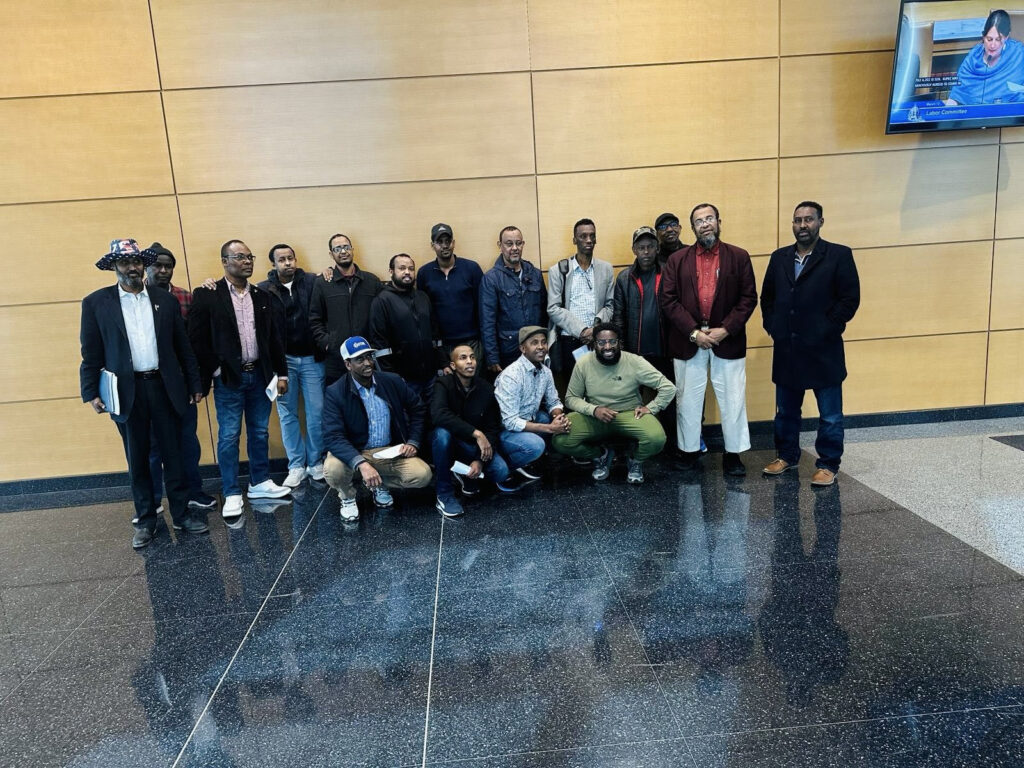
Today my TNC (Uber/Lyft) bill providing wage guarantees and protections for rideshare drivers (SF4780) was passed out of the State Senate Committee on Labor! I want to thank the drivers for showing up and staying in the fight. Despite its veto by Governor Walz last session, I will continue to fight to get this bill over the finish line in order to provide a fair wage and increased worker protections for Minnesota rideshare drivers.
Minnesotans For More Homes Initiative
The cost of housing is unaffordable for many of our neighbors in Senate District 62. At the center of this crisis of housing cost is a major shortage in supply of housing. This is due to a lack of investment in affordable housing and a long history of extremely narrow and restrictive zoning policies that have driven up prices, exacerbated racial inequities, and led to an increase in sprawl. These practices are simply unsustainable and unjust.
To address this issue, I am co-authoring the Minnesotans for More Homes Initiative (SF3964) along with Senators Mitchell, Port, Pha, and Draheim. This bill eases these zoning restrictions making it much easier to build more affordable and dense housing. This bill does not only address the supply and cost of housing. It also addresses the climate crisis by providing incentives for developers to build closer to transit. This will cut back on carbon emissions by decreasing the use of personal vehicles.
Today, SF3964 was combined with SF4601 and SF3980 as an omnibus zoning package and was passed through the State Senate Housing and Homelessness Prevention Committee. Its next committee stop will be at the Committee on State and Local Government and Veterans.
Championing a Smoke-Free Generation
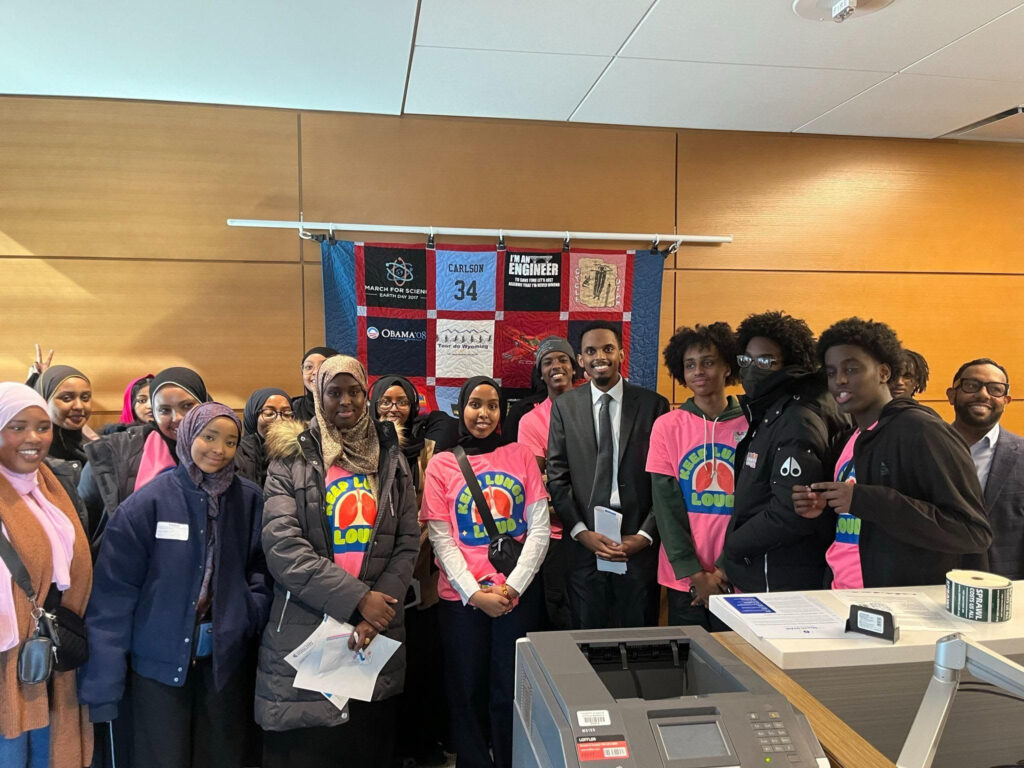
On February 29th, I was visited by students with Minnesotans For a Smoke-Free Generation fighting to reduce youth smoking. I’m proud to support their efforts to have hookah added to the bill banning the sale of flavored tobacco products.
Lowering Barriers to Long-term Caregivers
Last week, I presented bill (SF4235) in front of the Health and Human Services Committee. The bill aims to address a deficit in senior caregivers by lowering barriers of entry to a increasingly diverse workforce. Trained Medication Aides (TMA) help administer medicine under supervision of Registered Nurses, allowing the Nurses to focus on other vital tasks. As it stands, foreign-trained nurses are hit the hardest by the current restrictions, from language barriers to location issues. This harms not only the nurses, but the communities they wish to serve, as increased diversity in practitioners allows for greater accessibility to care. The bill has two sections, each aiming to grant easier access to TMA certification in different ways.
The first section is focused on eliminating the language barrier many foreign-trained practitioners face in seeking certification. To be on the nursing assistant registry, the TMA must pass a test with both a skills portion and a written exam. As it stands, the written portion is only administered in English. Under the bill, the Commissioner of Health must ensure the test is available in languages commonly spoken by those attempting to join the registry.
The second section seeks to expand the locations from which certification is accepted. Under current Minnesota rules and law, only higher education institutions such as universities and technical colleges are able to offer the training. These courses are not widely accessible to many, due to issues of cost of these institutions, transportation issues, and not being available year-round. The bill would allow the Minnesota Department of Health to approve other programs, increasing access for many.
Hearing from Higher Ed
Last Thursday, the Higher Education committee convened to hear testimony from contingent workers within our educational institutions, and discussed three bills. First on the docket was SF3616, which seeks to allow post-secondary institutions to request temporary voting locations on campus for at least one day, to allow for more students to vote early. Next was SF4416, which sets out to protect educators from political figures interfering with speech in the classroom, as we've seen around the country. It also calls for a work group to develop safe and ethical procedures for AI in education. Finally, we heard bill SF4597, which seeks to offer the power to unionize and utilize collective bargaining to many workers which previously were disqualified from such actions.
Omar Fateh
Minnesota, Senate District 62