
This last week in the legislature has been the busiest one yet this session. I am still working diligently to get bills through their committee stops before the March 22nd deadline. Here are some of the most important issues I have worked on in the last week.
PELRA Reform Will Allow UMN Students to Form a Union
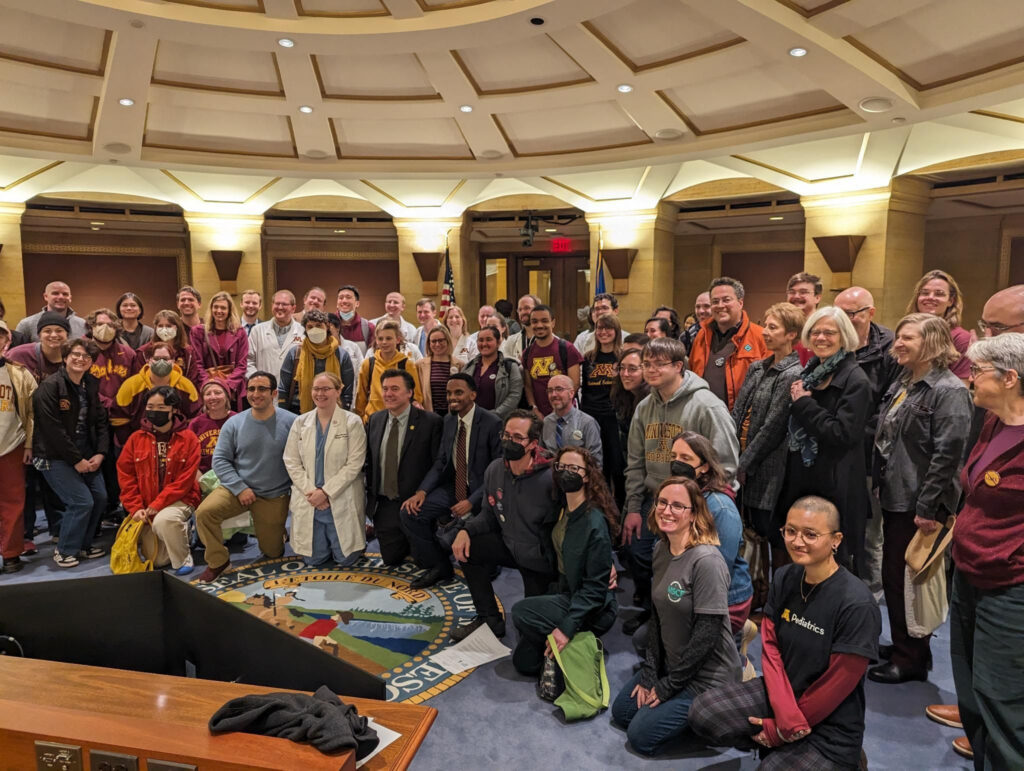
On March 7th, the Senate Higher Education Committee passed SF4597 which reforms the Public Employment Labor Relations Act (PELRA). These reforms to the PELRA are critical for labor rights and worker protections because they remove barriers that prevent 23,000 UMN students, faculty, and staff from forming labor unions. I am proud to stand with them in their fight for the right to organize a union. I also want to thank Senator Jen McEwen for leading on this.
Teen Teamworks Summer Youth Employment Opportunity
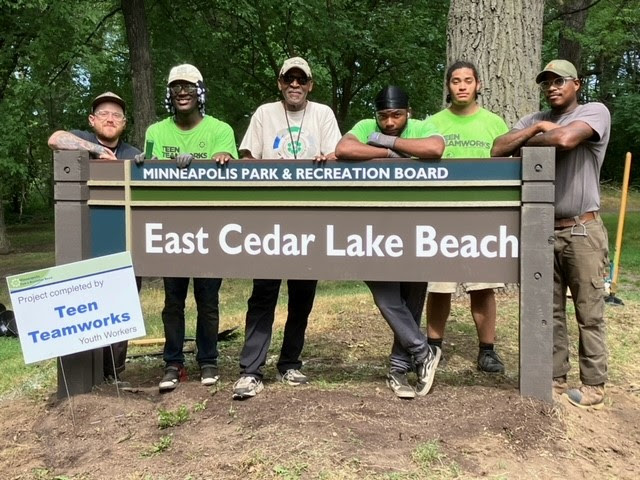
In the 2023 legislative session, my bill SF400 was passed securing $750,000 in funding per year for the Minneapolis Park and Recreation Board's Teen Teamworks summer employment program for the years 2024 and 2025. The funding for this program was appropriated from the general fund.
The Minneapolis Park and Recreation Board’s Teen Teamworks summer employment program is now accepting applications for its 2024 season. Since 1986, Teen Teamworks has been connecting teenagers in Minneapolis with meaningful, supported opportunities to help maintain and improve our parks while developing valuable skills. Youth ages 14-18 years old are welcome to apply to be a Park Care Crew member. Crews of 8 to 10 members WORK OUTSIDE every day to contribute to the maintenance and improvement of Minneapolis parks. Crew members are assigned to a home park and then are transported throughout the day to work at other parks and locations to help with a variety of projects. Youth ages 14 & 15 earn a training wage of $13.23/hour. Youth ages 16+ earn minimum wage which is $15.57/hour.
Park Care Crew members attend weekly work readiness trainings in a classroom setting to explore themes such as personal and professional development, financial empowerment, and career readiness. These sessions are led by experienced classroom educators and the curriculum is continuously updated to respond to the needs of young people entering the workforce. If you know a young person who is in need of work for the upcoming summer, let them know about this program.
New for 2024 is a paid Creative Entrepreneurship Program based out of Harrison Park’s Spark’d Studio. Please see the application or website for more information. The application can be found here.
Tenant's Remedies Bill Heard in Judiciary Committee
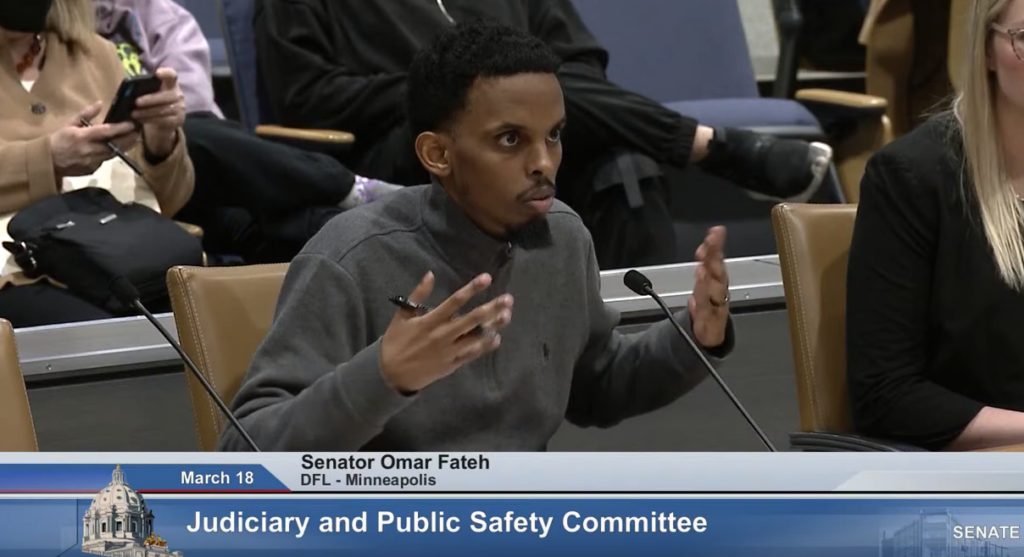
Monday night, I testified in support of my bill SF3571 before the Committee on Judiciary and Public Safety. This bill addresses a huge gap in Minnesota housing law. Currently, tenants lack recourse when promised housing isn't available by the time of move in. This issue was brought to my attention late last year when University of Minnesota Students were left scrambling to find housing just before the start of the Fall semester because a new housing complex called Identity Dinkytown was not yet ready for move in by the date promised to tenants. Despite the delay, the first month of rent was still collected and tenants were left without housing. To address this gap in Minnesota housing law, in the event of move in delay, the bill allows renters to be placed in temporary housing by their landlord, receive a stipend to find their own accommodations, or break their lease entirely. The bill also requires landlords to provide reasonable notice of move in delays to prevent renters having to scramble to find housing at the last minute.
I was interviewed by KARE 11 regarding this bill. The interview can be located here.
Packaging Waste and Cost Reduction Act Heard in Committee
Last Thursday, in the State and Local Government and Veterans Committee, Senator Kelly Morrison presented the Packaging Waste and Cost Reduction Act (SF3561). This bill calls for a statewide producer-funded program focusing on collecting and managing used packaging and paper products. To ensure this, a Producer Responsibility Organization (PRO) must be appointed by producers and registered with the Pollution Control Agency. The Commissioner and Board of the PRO are responsible for reviewing plans operated by the PROs, advising producers, and assess needs and funds necessary for these programs to operate. This legislation is important because it will hold producers responsible for the packaging waste they create and lower taxpayer costs for managing packaging waste.
Higher Education Committee Hearings
Last Tuesday, the Committee on Higher Education heard SF4003 which makes policy and technical changes to certain higher education provisions including student sexual misconduct, student aid, and institutional licensure provisions. The Committee heard testimony from students and other advocates who spoke in support of fully funding the Fostering Higher Education Grant Program (FIG). FIG is an aid program that seeks to eliminate the financial barrier to Minnesota students who were in the foster care system. It is paramount that we fully fund FIG to provide students who went through the foster care system with an equal opportunity to succeed in higher education. Securing this funding is one of the top priorities of the Higher Education Committee and we are currently working with the Finance Chair to meet the target to achieve this.
The Committee on Higher Education also heard SF4400 which prohibits legacy admissions in the state of Minnesota. This bill would ensure that students are not given preferential treatment in the college admissions process due to a familial relationship to an alumni or donor to an institution. The college admission process should be based on merit and academic achievement, not on whether a family member attended an institution. This bill is an important step towards providing equity in the college admissions process for all Minnesotans.
On Thursday, the committee heard the Minnesota Respond, Innovate, Succeed, and Empower (RISE) Act (SF4525). The RISE Act requires public and private institutions of higher education to have policies in place to notify, assist, and support students with disabilities. Importantly, the bill creates a framework for how institutions of higher education should document a student’s disability, provide an overview of accommodations, and initiate contact with students to inquire about their needs related to disability. It is critical that institutions listen to the needs of their students so they can provide all the resources required for them to succeed.
The Committee also heard SF4340 which introduces requirements related to higher education institution contracts with online program management companies and SF4402 which expands SNAP eligibility for students enrolled in higher education.
Omar Fateh
Minnesota, Senate District 62